The Team
Meet the team.
The Team
Lab Director
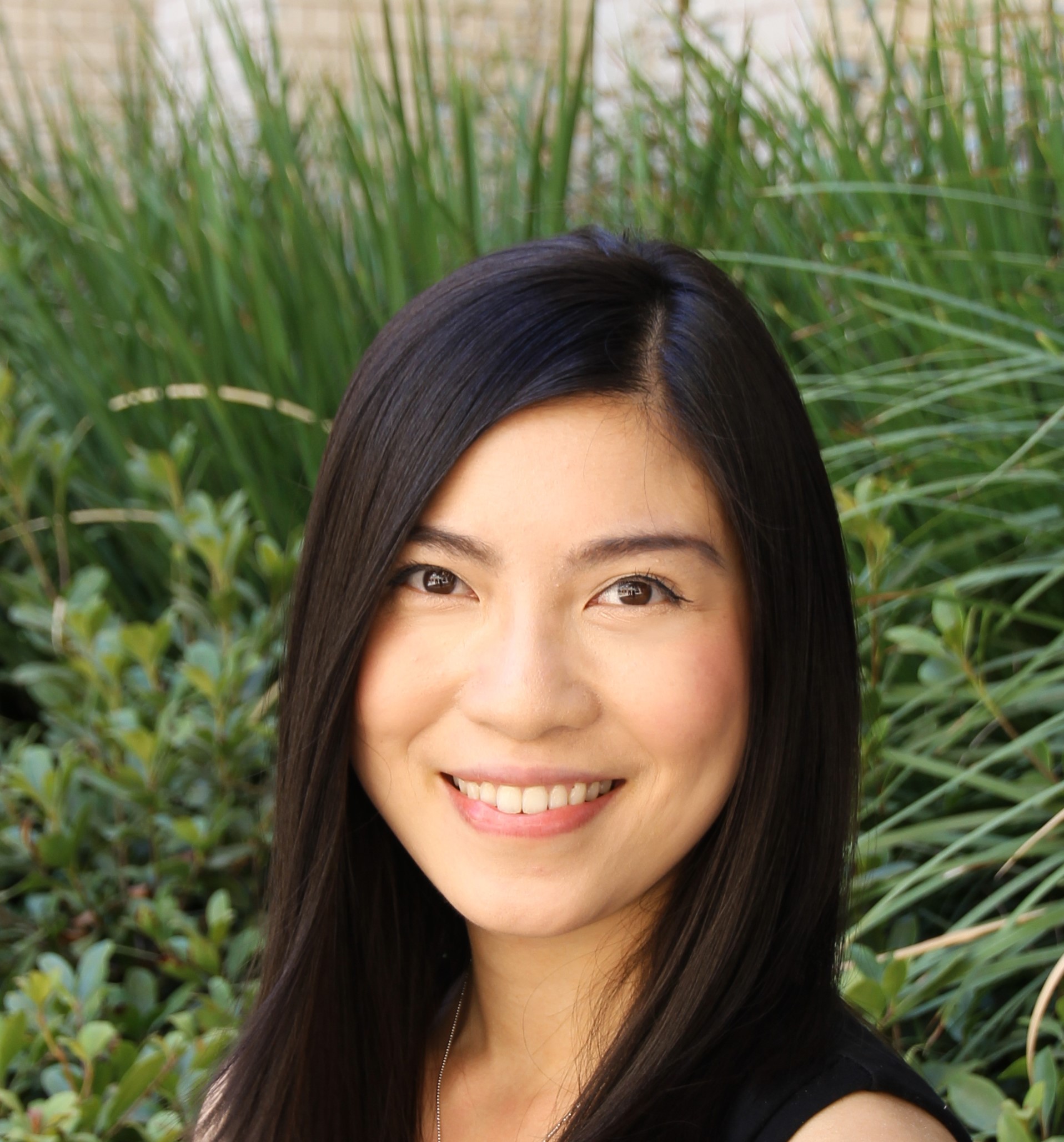
Joey is a behavioral scientist and social psychologist studying how people navigate social connection — both the connections we seek out, and the more complicated ones shaped by power and status. Her work spans two threads: the confidence, voice, dominance, prestige, and egalitarian preferences that shape who is heard, respected, and trusted to lead; and, more recently, how and why loneliness and social disconnection vary across people, places, and cultures.
Graduate Students
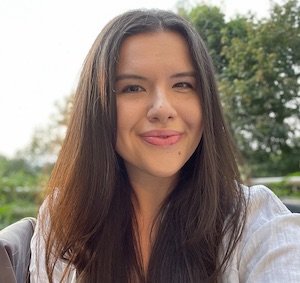
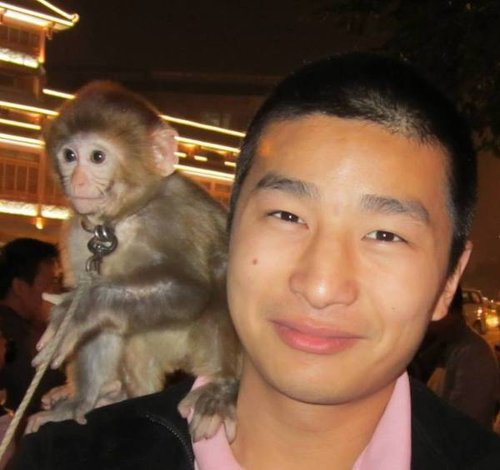
Miranda studies humility, prestige, and reputation — asking how modest, other-focused behavior shapes the way people are seen and valued within their groups. She's interested in when humility earns genuine respect and prestige, and when it goes unnoticed or gets taken advantage of. Her work approaches the lab's broader question of what makes someone worth following from a different angle than confidence or dominance.
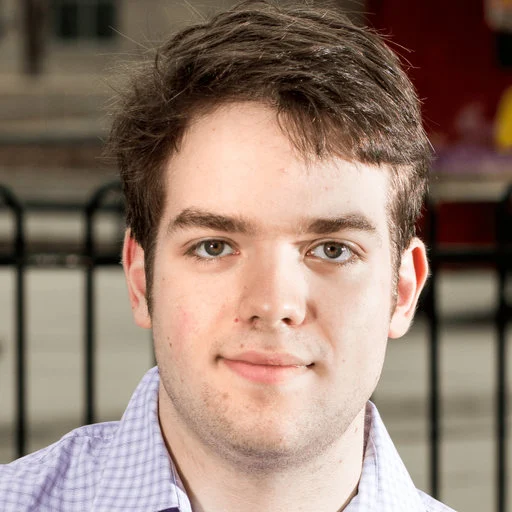
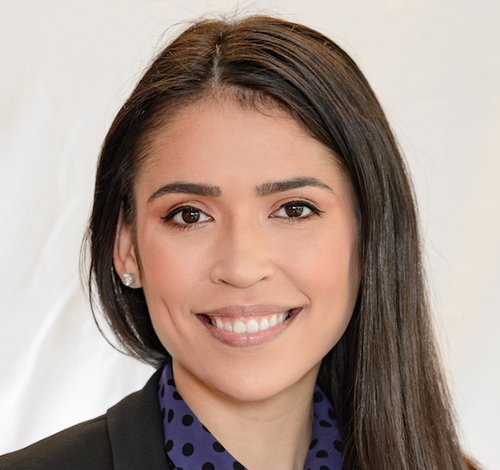
Spencer studies how attitudes toward work have shifted alongside broader cultural change, using large-scale text and survey data to trace evolving social values over time. His work traces how narratives about ambition, career, and time itself change across decades, and what that reveals about shifting priorities. This connects to the lab's interest in how the stories a culture tells shape everyday behaviour and belonging.

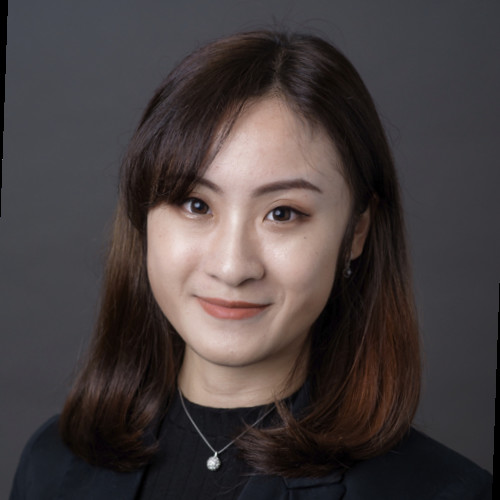
Sophie studies conflict resolution and political apologies, using natural language processing to analyze how leaders and institutions communicate accountability after wrongdoing. Her work asks what makes an apology land as sincere rather than hollow, and how language choices shape whether trust can be repaired. This ties into the lab's broader interest in how the stories we tell shape social repair and connection.
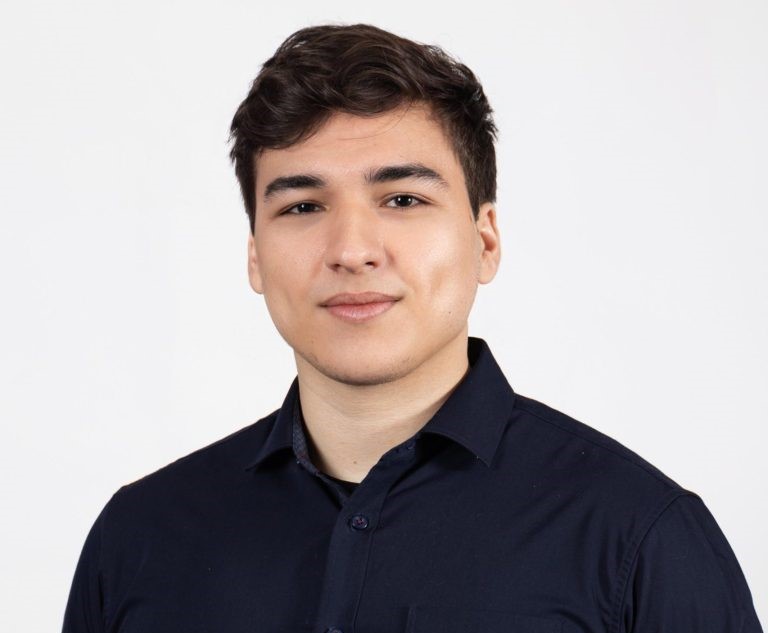
Adrian studies how knowledge of true ability — our own and others' — shapes who earns status in a group. He finds that revealing relative performance strengthens the link between ability and how much someone speaks, which in turn boosts peer-perceived prestige; when performance stays hidden, that link disappears. The work asks whether making competence visible can produce a more meritocratic distribution of status, rewarding real ability rather than just confidence or volume.
Undergraduate Researchers


Graduate Lab Alumni





Former Visiting Researchers


Undergraduate Lab Alumni (selected)